
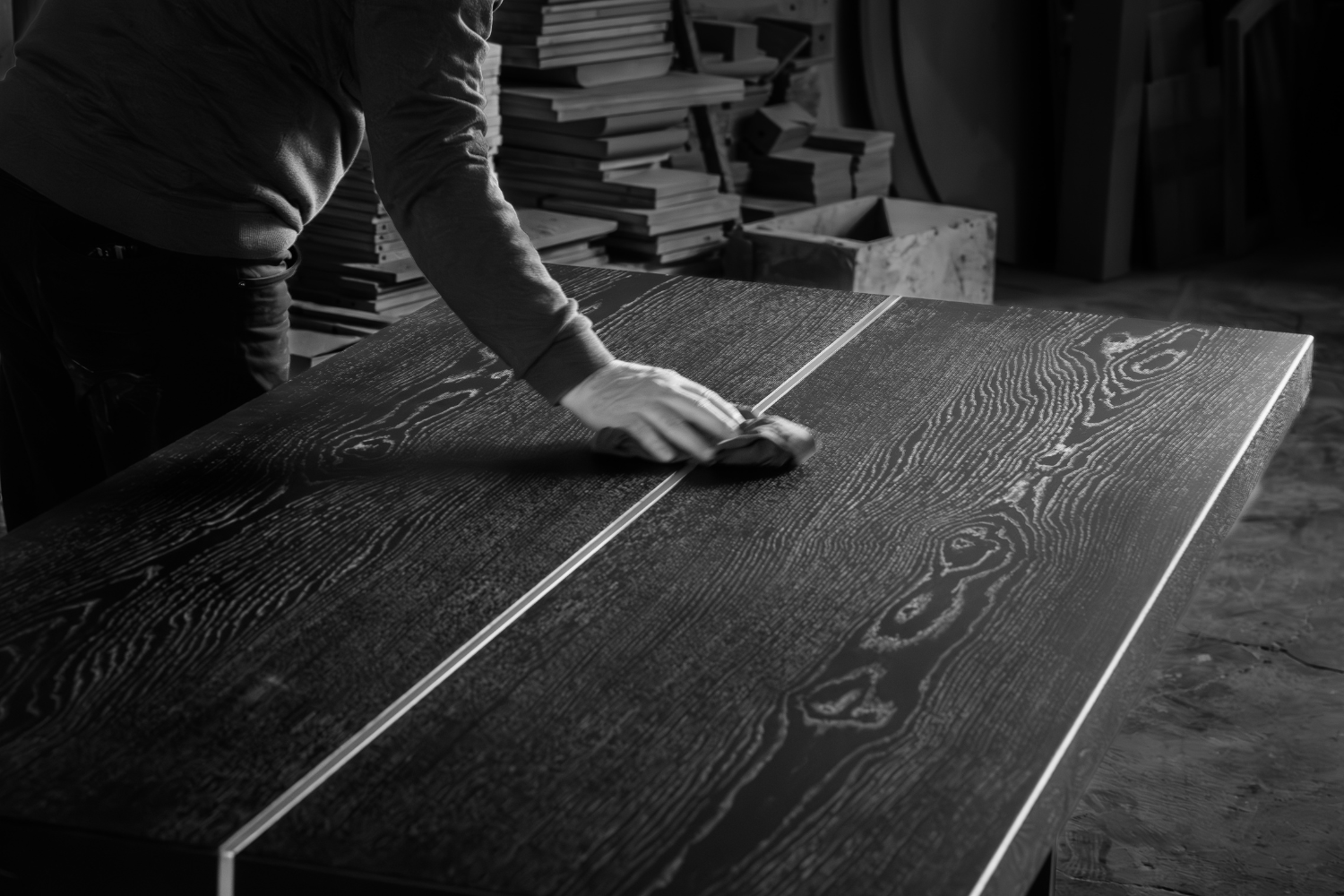
Solid wood furniture is an investment that transcends time. It beautifies the spaces where we live and work, gains meaning with each passing day and, gradually, comes to tell a story about our style and values. Like any item chosen for the long term, it doesn't just remain a functional element, but becomes part of the home's identity.
That's why wood deserves careful attention and a constant gesture of respect. The reward comes naturally: surfaces that retain their beauty, textures that deepen over time, and that subtle patina that transforms each piece into a unique one.
As a natural material, with a living structure and sensitive to the environment, wood requires maintenance adapted to its use. Whether we are talking about a dining table, a coffee table or a TV chest of drawers, a few simple rules, applied consistently, can make the difference between furniture that loses its shine and one that ages beautifully.

Wood Furniture – Authenticity with Added Value
The maintenance of wooden furniture is all the more important as each solid wood product presents irrepeatable details from one piece to another. Uniqueness comes from natural variations in structure and color, and from distinctive characteristics such as knots, grain, or small cracks that occur naturally.
Additionally, depending on the design, the wood essence it's made from, and the processing and manufacturing methods, the annual growth rings may be visible on solid wood furniture. These tell us about the history of that particular tree and can indicate its age, being an undeniable testament to the authenticity of the piece.
All these peculiarities, far from being imperfections, are part of the story and natural charm of the object. Through proper maintenance of wooden furniture, we not only protect the surfaces for an overall neat appearance, but we ensure that these unique details are highlighted for a long time.

Proper Cleaning of Wooden Furniture
1. Gentle Cleaning
Frequent cleaning is the first step to keeping wooden furniture in immaculate condition. Dust weekly, using a soft cotton or microfiber cloth, and avoid abrasive cloths that can scratch surfaces.
For light stains, use a mild solution of lukewarm water and neutral soap, applied with a well-wrung cloth. Immediately wipe away excess water with a dry cloth to prevent moisture from penetrating the wood fibers.
In case of severe soiling, clean the furniture with a soft cloth dampened with water or a mild, non-abrasive detergent. Then wipe with a dry cloth, following the direction of the wood grain.
Once a year, apply protective oils or wax to the furniture, especially for frequently used pieces like tables or worktops.
2. No Harsh Chemicals
Cleaning products based on chemicals can severely damage the wood finish. Avoid using cleaning products that contain acids, chemical solvents, or alcohol.
3. Cleaning Lacquered vs. Oiled Surfaces
Lacquered surfaces require a gentler approach, while oiled furniture benefits from an additional layer of protection through the periodic application of a special wood oil.
We advise you to request information regarding the maintenance of purchased furniture directly from the manufacturer, as instructions may differ depending on the type of finish.
As a general rule, before using any cleaning or maintenance product for wood, test it on a less visible area to avoid possible undesirable reactions.

Long-Term Maintenance of Wooden Furniture
1. Place furniture in a controlled environment
Wood is sensitive to temperature and humidity variations. These can, over time, lead to changes that affect both the aesthetics and the optimal functioning of the furniture.
To prevent warping and cracking, place wooden furniture in spaces with a constant humidity of approximately 50%-65% and a temperature between 5°C and 25°C.
Since prolonged contact with moisture can cause wood deterioration, it is important not to position wooden furniture in spaces with high humidity or near damp walls.
2. Position it away from heat sources
To prevent structural changes and discoloration of finishes, avoid positioning furniture near direct heat sources (radiators, heaters, stoves) or in intense sunlight.
Always maintain a minimum distance of 1 meter between solid wood furniture and heating or ventilation sources.
Prolonged exposure to direct sunlight is very harmful to wood and the finishes it has been treated with. Choose shaded areas for your solid wood furniture or use curtains, blinds, and shades to protect surfaces.
Also, to prevent discoloration caused by UV radiation, we recommend periodically changing the position of objects placed on wooden surfaces.
3. Keep liquids away
Protect wood surfaces from direct contact with liquids, especially in vulnerable areas such as edges and corners. If liquids are accidentally spilled, absorb them immediately with a soft, dry cloth, avoiding rubbing.
Do not leave wet dishes or plants directly on furniture without adequate protection.

Dining Table Maintenance
The dining table top is one of the most used surfaces in a home, being daily exposed to the risk of dirt, food stains, or liquids. It's no wonder that this surface requires more attention than other pieces of furniture to maintain its elegance and refined appearance.
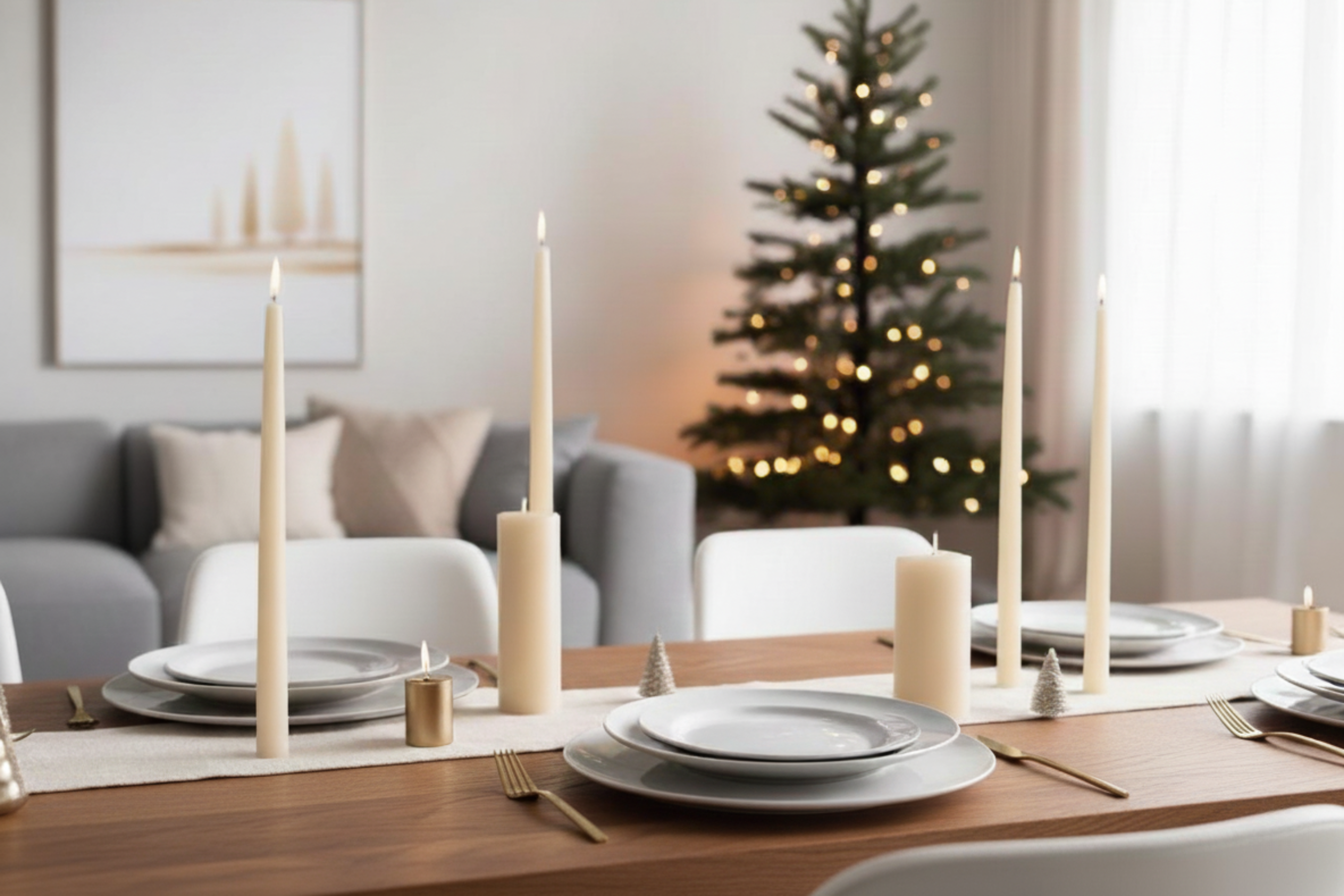
- To fully enjoy meals with loved ones, without worrying that the table surface might get stained or scratched, we recommend protecting the top with tablecloths, runners, placemats, hot pad holders, plate and glass supports, as well as serving trays. Never place hot objects directly on the dining table surface.
- In case of accidental spills, immediately wipe up spilled liquids using a soft, dry cloth. If grease marks or more difficult stains remain, use a mild cleaning solution, prepared from lukewarm water and gentle detergent.
- Periodically, you can apply a thin layer of wax or special wood oil to protect the surface and maintain its natural shine. This way, your dining table will remain a focal point in your home, successfully passing the test of daily use.
On the other hand, if you have a glass top dining table or a natural stone top, follow the care and maintenance recommendations here.

Additional Care and Maintenance Recommendations
- Periodically rotate accessories and objects placed on furniture. Items with rubber backing, such as clocks, lamps, or computers, can cause sticking or discoloration of the wood if left in the same place for an extended period.
- Plastic-backed objects should also not be left on wooden surfaces for long periods, as chemicals in plastic can affect the finish, leading to imprinting, softening, or discoloration of the surface.
- Regularly ventilate rooms to maintain optimal humidity levels and occasionally move furniture pieces around the space to prevent uneven discoloration caused by sun exposure.
Caring for Wooden Furniture, a Form of Respect for Nature
Caring for wooden furniture is not just a way to preserve its shine, but, on a larger scale, it also represents a gesture of respect for nature and its resources.
Wood is a sustainable material that can beautify our homes for long periods, but its lifespan depends on how it is cared for. By properly maintaining wooden furniture, we increase its longevity and replacement cycle and contribute to reducing waste.

Solid wood furniture represents an investment that combines elegance, functionality, and sustainability, being a choice compatible with a more conscious lifestyle. By following the above tips for wooden furniture maintenance, you ensure that your pieces will look impeccable and retain their natural beauty year after year.
Through proper cleaning, maintenance, and care, we not only help furniture pieces function optimally, but we can also enjoy their warmth and authenticity for long periods or even a lifetime.


Leave a comment
All comments are moderated before being published.
This site is protected by hCaptcha and the hCaptcha Privacy Policy and Terms of Service apply.