
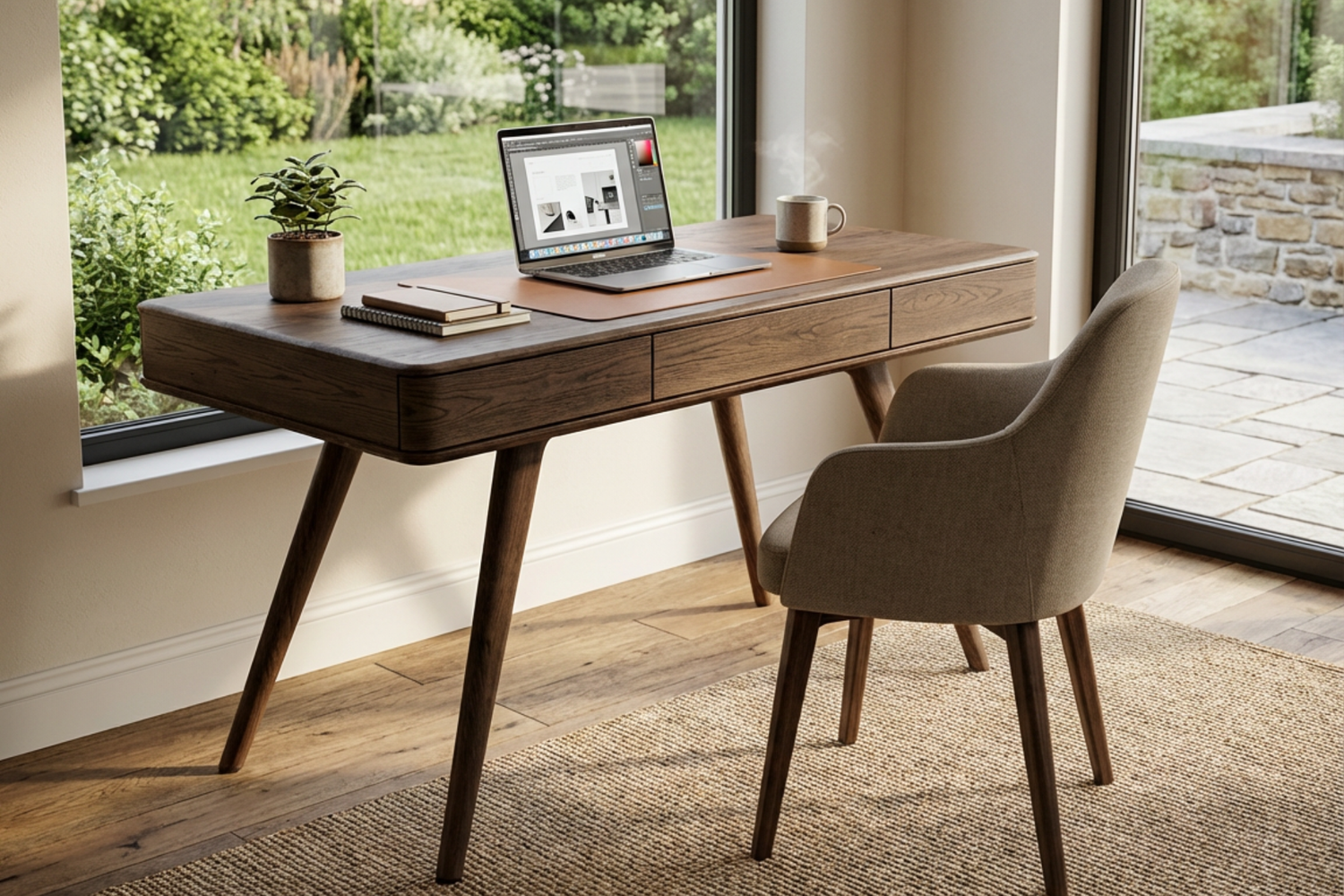
In recent years, the way we work and the concept of "office" have been redefined. With the expansion of work-from-home practices, more and more employees, entrepreneurs, and solopreneurs are working remotely or in a hybrid system, and have had to adapt their homes to integrate a dedicated workspace.
The necessity of setting up a space that provides optimal conditions for concentration and increased productivity in our own homes has imposed a different approach to our houses: either designing a room specifically for an office from the outset, when acquiring or building a new home, or reconfiguring the existing space to create a corner dedicated to working from home.
How can we achieve this? What do we need to know to create a functional home office that supports productivity and helps us perform as effectively as in a traditional office space?
In this article, we aim to answer these questions and provide some simple solutions that will help you create that work-from-home space that motivates and inspires you.

How Our Work Environment Influences Our Creativity and Productivity
One of the main challenges of working from home is the difficulty of drawing a clear line between work hours and leisure time, between the role of employee/entrepreneur and the roles we have in our personal lives. The correct arrangement of the home office can be a decisive factor in terms of motivation, concentration, and job productivity, and can greatly help in delineating work schedule from free time.
The first rule, if you work from home, daily or occasionally, is that this desk or workspace must exist, separate from the spaces where you carry out your other daily activities. It is difficult to get into your work role from bed, from the sofa, or from the kitchen table. Moreover, you risk being easily distracted by different stimuli around you.
On the other hand, by intentionally arranging a space exclusively for work, your chances of efficiently completing tasks without interruptions increase considerably. Furthermore, a well-thought-out and organized workspace can reduce stress and improve mental clarity.

It is said that we spend a third of our lives working, so the workspace should represent us and motivate us. Even if the space or budget does not allow for major changes, by knowing some essential design principles, we can arrange a functional, well-organized home office that inspires us, gives us a positive mental state, and, unlike traditional office spaces, provides an intimate and quiet working environment.
A global study from 2015 by Human Spaces, still relevant today, discusses the positive impact of biophilic design on workplace performance and productivity.
Based on the idea that the need to be in contact with nature is a function of managing daily stress and maintaining psychological and emotional well-being, the study shows that recreating a natural environment in the workplace can increase creativity and employee well-being by 15%. Additionally, according to the study, employees who work in an environment incorporating natural elements reported a 6% increase in productivity.
From this study, we learn that the top five most frequently cited aspects when it comes to arranging a productive and motivating workspace are:
- natural light
- the presence of indoor plants
- privacy/quietness
- a view of a natural setting
- vibrant colors
Based on these principles, we present below some steps to follow for an inspiring arrangement of your home office.
8-Step Guide for an Inspiring Home Office Setup
Regardless of its size, a well-organized workspace can improve efficiency, productivity, and your mood, contributing to high levels of performance and productivity. Here are 8 essential steps for setting up a functional and aesthetic office in your home:
1. Place the desk near a window
No matter how small, a dedicated work area with plenty of natural light will motivate you every morning to start work with energy and feel inspired. The proximity of a window that allows sunlight to flood the space is a primary criterion in choosing the right place to position your desk. Studies show that natural light in the workspace can prevent headaches, drowsiness, and eye strain caused by screen exposure.
Also, if your home's current configuration allows, position the desk in a space separate from the relaxation area, to clearly delineate professional activities from personal ones.
Regarding the positioning and orientation of the desk, it is preferable for it to be placed perpendicular to the window wall, to avoid reflections on the computer screen. The desk can also be placed parallel to the window, so you can look outside, but keep in mind that this positioning can frequently distract you while you work.
2. Choose ergonomic, durable furniture with enhanced functionality
An ergonomic chair and a desk of the correct height are essential for comfortable work and to prevent back pain. A desk height of 75-80 cm is recommended in most cases for a comfortable working position.
If you opt for an adjustable desk, adjust it so that your forearms are parallel to the ground when typing. To complete your desk setup, choose an ergonomic chair with lumbar support, armrests, and an adjustable headrest. Choose an office chair with adjustable height and adjust it until your feet are fully supported on the floor and your knees form a 90° angle.
Regarding the correct position of the laptop, keep in mind that the top of the screen should be at eye level (or slightly below). If you only use a laptop, it is recommended to use a stand to raise it and bring it to a comfortable working position.
Practical tip: you can check if a desk ensures correct posture if, when you place your hands on the keyboard, your elbows form an angle of approximately 90°-100°.

3. Opt for natural/recycled materials where possible
While for the office chair, ergonomic design and adjustment options (height, backrest, armrests/headrest) are paramount, as its construction can directly affect our health, for the desk we can focus on design, aesthetics, and natural materials. Of course, you can consider options that are closer to a sustainable lifestyle, such as chairs made from ecological leather or recycled materials.
A solid oak desk, with minimalist lines and finely textured surfaces, can be a durable choice and a timeless presence in your home workspace. Beyond the well-known attributes of solid wood pieces – stability, resistance, long lifespan, comfort – such a desk will visually warm up the space and offer a pleasant touch through the unique texture of the wood and warm, nature-inspired finishes.
4. Ensure you have enough storage space
Desks with closed storage spaces help maintain order and undoubtedly support better concentration. The fewer objects we have around us when we work, the more mental clarity increases, and we can work uninterrupted, in that state of flow.
Only essential items that directly support your work tasks should be on the workspace – PC/laptop, mouse, agenda/planner, and perhaps a green plant. The rest of the office accessories can be stored within reach, in desk drawers, and items we use less frequently, in a nearby roll-box with drawers, in a bookshelf, or even in an elegant solid wood chest of drawers with generous storage space.
Also consider cable organizers in this category, mounting them in a less visible spot on the desk to maintain a tidy workspace and ease of use.
5. Aim for a balanced color palette
Colors influence mood and productivity, so it's important to include them when setting up your home office. As a basic principle, the space should be composed of 80% neutral colors and 20% colors that stimulate productivity.
Here are the colors especially recommended for workspaces:
a. Blue and green – promoting calmness and concentration, these are ideal for walls, furniture, or large accessories (rug, floor lamp, framed pictures/prints).
Blue and green can help with tasks requiring sustained levels of concentration, such as working with figures, reports, statistics, etc. While blue can increase workplace productivity, cultivate a sense of trust, and support clear communication, green helps us be more creative and contributes to an environment conducive to innovation.
b. Yellow and orange – can be used as decorative accents in the workspace to stimulate creativity.
Yellow represents optimism, enthusiasm, and happiness, creating positive associations in our minds, while orange, used in moderation, boosts our energy levels and stimulates creative thinking.
6. Integrate green indoor plants
If you want a warm and authentic workspace that inspires and motivates you to work efficiently, green plants simply must be present.
Plants not only improve air quality but also create a relaxing atmosphere and can reduce stress and eye fatigue. Moreover, the presence of plants helps us to some extent recreate a natural environment and enjoy the effect that time spent in nature has on our mood. Green plants contribute to higher levels of productivity, concentration, improved memory, and inner balance.
Among the most popular recommendations, due to their distinct appearance and easy maintenance, are species such as sansevieria, zamioculcas, ficus ginseng bonsai, or yucca.

7. Include a small relaxation area to encourage breaks
If you have a separate room dedicated to your office, include a relaxation corner for necessary breaks between work sessions. Place a comfortable armchair and a wooden side table near the bookshelf, where you can retreat for a tea and reading break or simply to perform other work tasks away from the laptop screen (brainstorming sessions, planning tasks in your agenda, phone calls, etc.).
Don't forget to include a floor lamp, a large potted plant, and 2-3 decorative items to inspire you, turning the area into a small oasis of relaxation.
8. Personalize your office for added inspiration
After choosing the workspace's position and furniture and establishing the color palette, all that remains is to bring more of your personality into your home office. This doesn't mean cluttering the space with photo frames, souvenirs, and other personal items. After all, you have the rest of your home for that.
Instead, depending on your field of work, you can decorate your workspace with inspiring illustrations or motivational texts, add a whiteboard to keep deadlines or valuable ideas visible, or a vase with fresh seasonal flowers for a splash of color and freshness.

Arranging independent offices for liberal professions
While up until now we have strictly discussed setting up work-from-home spaces, we thought it would be useful to also address offices for professionals in liberal professions – consultants, lawyers, psychotherapists, etc.
If a home office needs to be comfortable, airy, and well-organized, yet warm and inviting, arranged with a personal touch, the design of offices intended for liberal professions must adhere to different design principles to create a professional environment in line with the field of activity.
Here are the top 3 aspects to consider if you are in the situation of setting up an office space frequently visited by clients, partners, and collaborators:
1. Create a setup aligned with your professional values
In a law or consulting office, the arrangement must have a unitary concept, and the entire decor must exude professionalism and refinement. In this case, the office design reflects the professional status of the specialist, influences client perception, and plays the essential role of building trust and facilitating clear and transparent communication.
For consultants or specialists in creative industries, the office design must align with the personal brand and include those differentiating branding elements that are part of the specialist's identity.
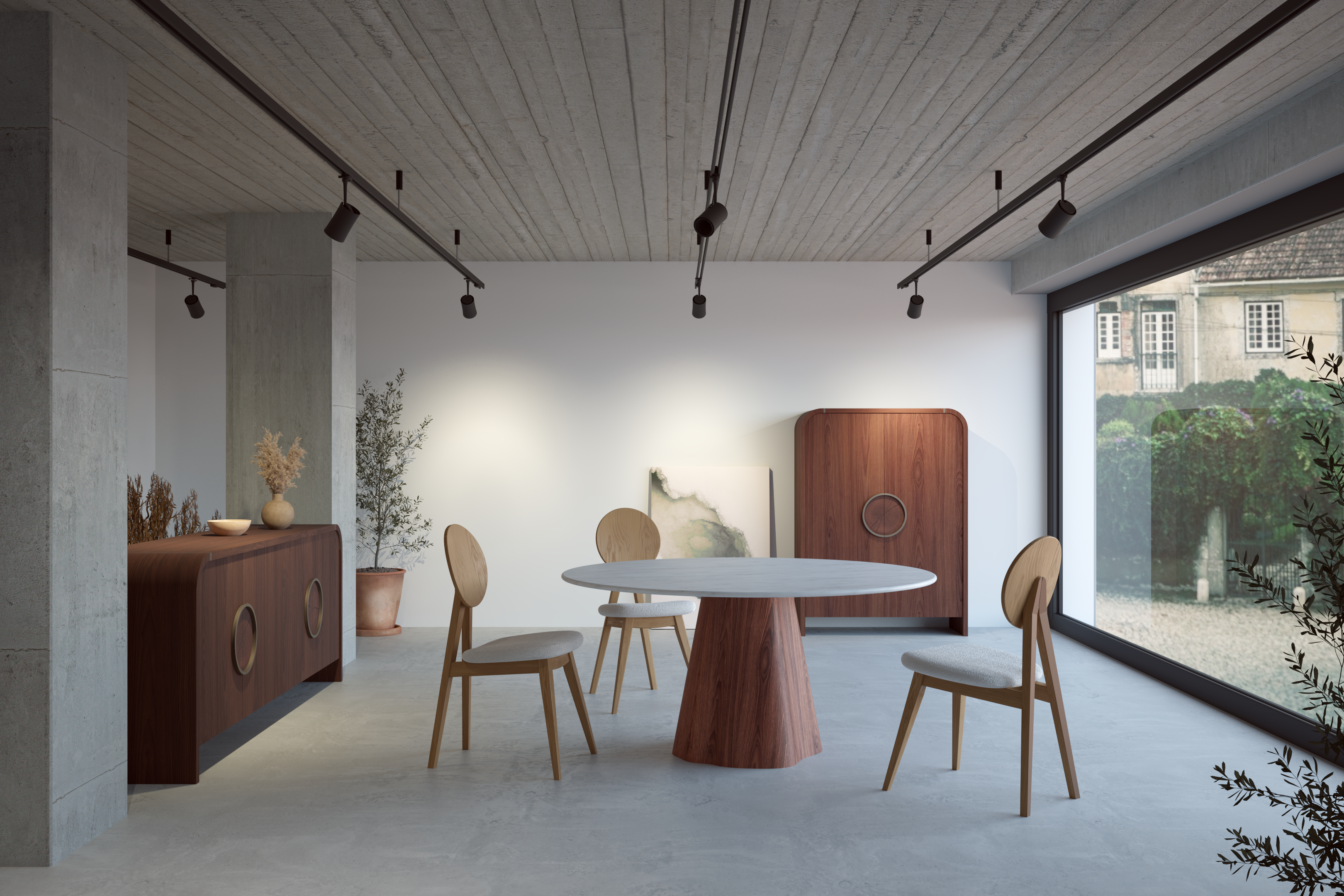
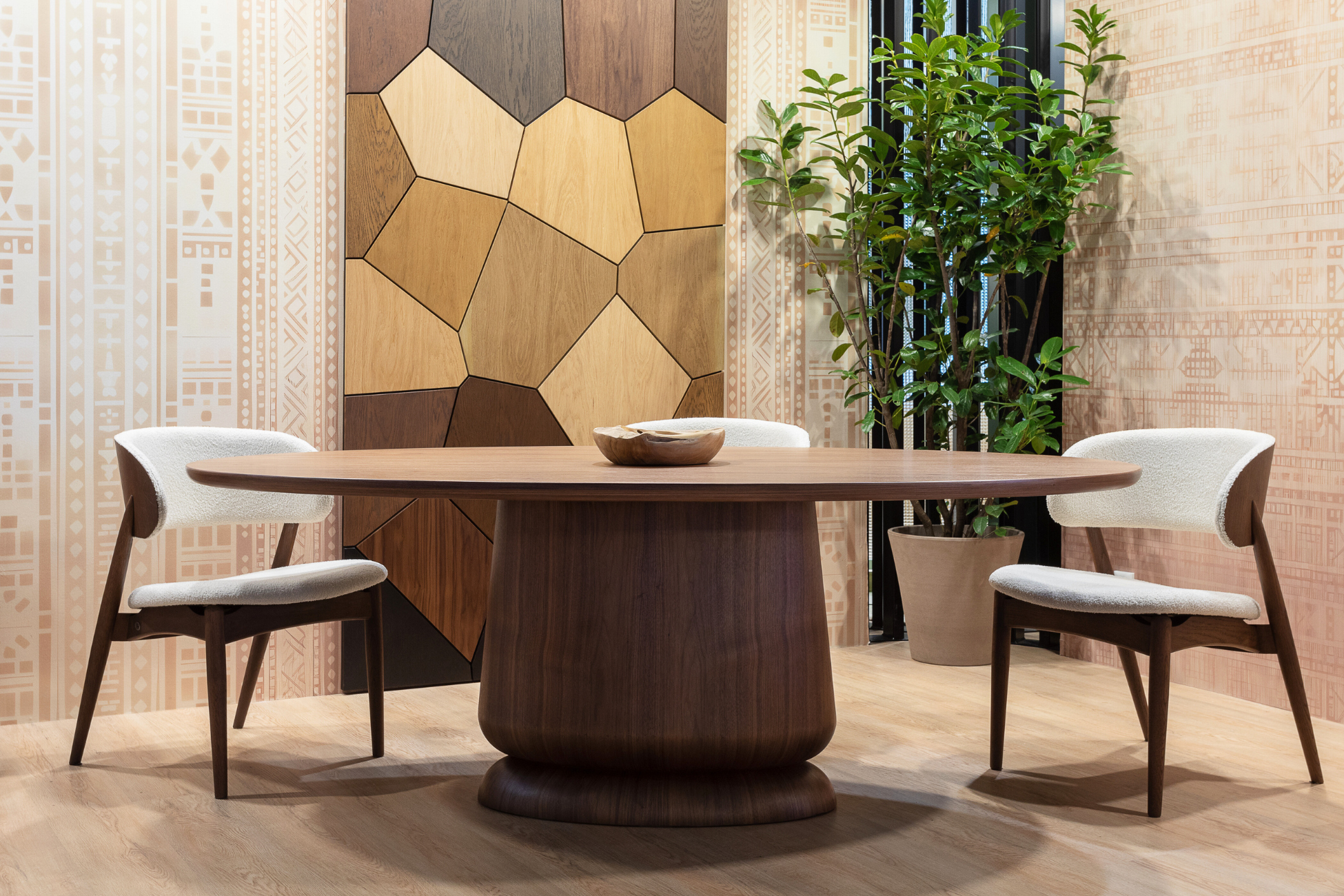
When it comes to furniture, an imposing solid wood table confers prestige and authority, contributing to a professional yet authentic and sophisticated environment. While you would choose an ergonomic chair suitable for prolonged sitting for yourself, for guests (clients, partners) you can opt for a chair model with a contemporary design, featuring a solid wood frame and premium leather or recycled material upholstery.

For psychotherapy offices, the layout should be as airy as possible, in neutral, natural colors, complemented by shades of green and blue, which induce a state of calm and balance. Opt for a few wooden furniture pieces with visible grain and for solid and comfortable armchairs, which support a more relaxed body posture.
The arrangement of such an independent office must include a bookshelf, as well as at least one storage furniture unit, for organizing books, documents, and work materials. Make sure not to clutter the space and that you place the furniture following a well-thought-out workflow and circulation.
2. Clearly delineate spaces, but maintain the cohesive design theme
If you're setting up an office for your work as a lawyer or consultant in various fields, you probably already know how important it is to have a separation between the reception area, individual offices, and meeting rooms, and the design must maintain the same unified style throughout all these spaces.
For example, if you use a specific decorative plaster, solid wood furniture, or a certain type of artwork in your personal office, the same style should be present in all spaces that clients and partners interact with.
The waiting room can make an excellent first impression with a minimalist bench and a solid wood coffee table, and the meeting room can impress with a generously sized conference table, complemented by sophisticated chairs featuring natural finishes and luxurious upholstery.

3. Choose a color palette in accordance with your field of activity
- Law & consulting. In these fields, more sober tones (grey, navy blue, furniture with earthy finishes) are recommended to convey seriousness and professionalism.
- Psychotherapy. For psychotherapy offices, warm and natural colors (beige, light green, natural wood) are indicated to support open communication and induce calm, comfort, and optimism.
- Graphic design, marketing & other creative professions. If you work in a creative field, opt for an airy and minimalist setup, in light colors, and play with vibrant color accents that stimulate creativity and innovation, such as yellow, orange, or blue.

The setup of your home office should, first and foremost, help you efficiently complete your work tasks, but also make your work easy and pleasant. Therefore, if you work remotely, it is essential to dedicate a corner of your home to create a dedicated space, to distinguish between your work and personal life roles.
Think of the space in terms of functionality and comfort – natural light, ergonomic furniture, sufficient storage spaces, cable and accessory organization – and complete the setup to transform your office into a welcoming and inspirational space – solid wood furniture, green plants, representative illustrations, and motivational texts.
In the case of liberal professions, the office must adhere to several different design principles, in accordance with the job's specifics and field of activity. Additionally, these must provide well-defined traffic flows, given that the space is frequented by clients, collaborators, etc.
One thing is certain: regardless of your profession, whether you work from home or an independent office, you enjoy the freedom to arrange your workspace to reflect your personality, status, and professional values. In this regard, contemporary design and natural materials can help you build a space that exudes professionalism, yet remains welcoming and authentic.
* Source

Leave a comment
All comments are moderated before being published.
This site is protected by hCaptcha and the hCaptcha Privacy Policy and Terms of Service apply.