
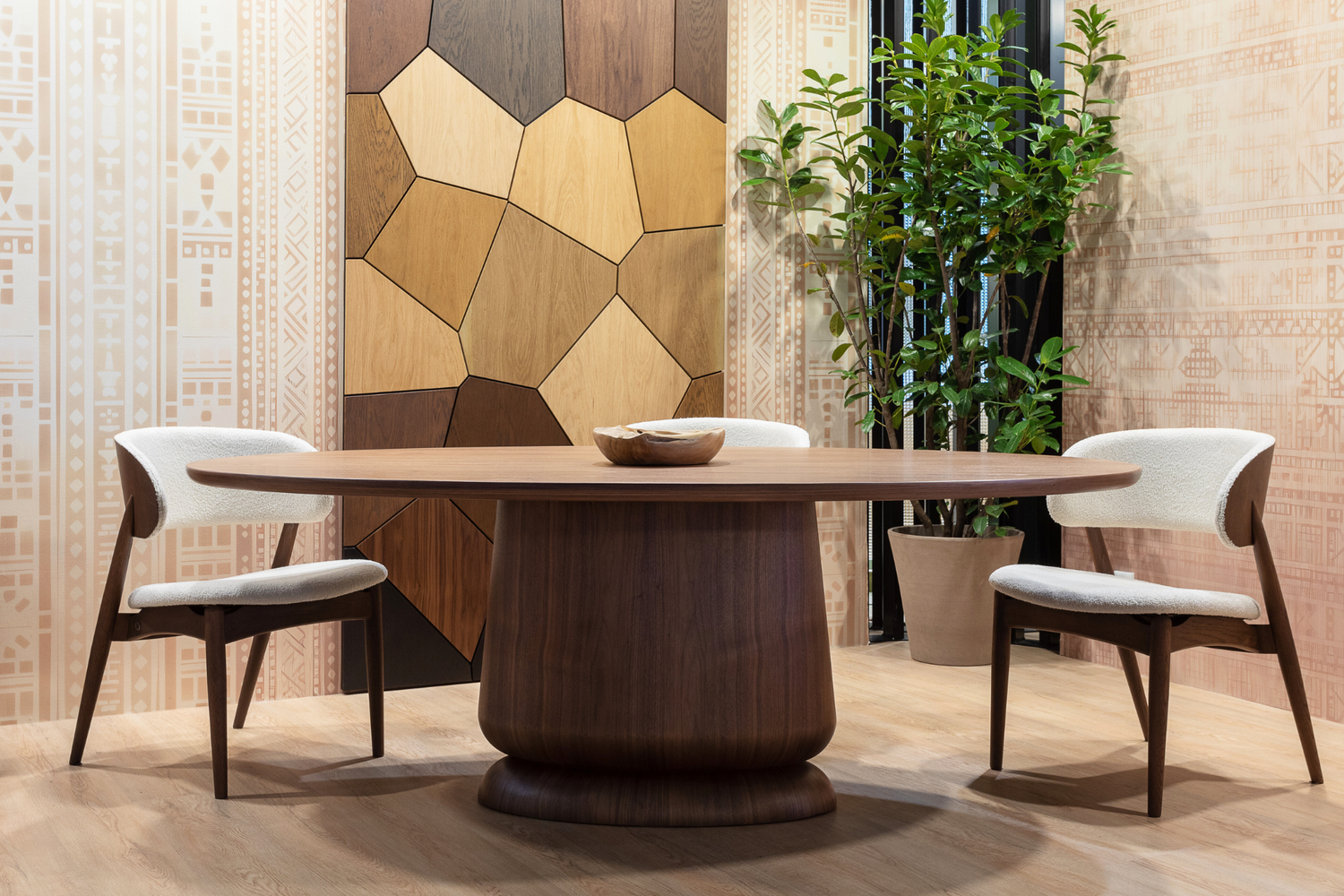
When we think about our homes, we first think of a safe and comfortable space, a cocoon of joy and relaxation, where we can be ourselves and become our best selves. To achieve such a home, the layout of the space must first and foremost reflect our personality, passion, and aspirations. But there's more: when we think of home, we want a space where comfort coexists with order.
A lived-in home is a home with a soul, where the routines and passions of its inhabitants are evident, not a space where everything looks impeccable and untouched. Equally, it is undeniable that the personality and warmth of a home are not synonymous with chaos and disorder. When we think of home, we think of an orderly and organized space that supports a pleasant and balanced life, one that inspires us.
A space where every object has a purpose and a well-defined place not only helps us save time and energy but also significantly contributes to our well-being, reducing stress and increasing productivity. In the context of home organization, minimalism and organization methods inspired by Japanese philosophy can be a good tool to reorganize our homes through studied and tested methods.
One of the most well-known and effective Japanese home organization methods is the 5S method, initially developed in the Japanese manufacturing industry to improve efficiency and discipline in the workplace. Subsequently, the principles of this method were successfully adapted to be applied in our homes, helping us live in a more orderly and harmonious environment.
"Outer order contributes to inner calm", Gretchen Rubin
In this article, we will learn together about the 5S method, as well as other home organization philosophies inspired by different cultures, which can transform our home into a balanced and inspirational space.

5S Method: Essential Steps for Home Organization
The 5S method comes from five Japanese terms that define the stages of an efficient organization process. If we want to bring a new breath into our home without costly or extensive changes, we can use these 5 steps to create a living space that promotes efficiency and mental clarity.
1. Seiri (Sort) – Eliminating unnecessary items
The first step involves separating essential items from those that are no longer useful to us.
Through Seiri, you eliminate everything that no longer serves your purposes and your current lifestyle: clothes, shoes, kitchen accessories, decorative items, old books and children's toys, etc. It's a process that takes time, but it can bring you immense satisfaction in the end.
Start by evaluating each item in your home, truthfully answering the question: "Does it add value or unnecessarily take up space?" Afterward, from the items you've decided you can easily part with, set aside those in good condition for donation or recycling.
2. Seiton (Set in Order) – Efficient Organization
After eliminating non-essential items, the next step is to organize the remaining ones in a functional way that simplifies your daily life and habits.
Follow these simple principles to apply Seiton in your home:
- Every item has a clearly designated place. Label shelves, boxes, or drawers. This way, you and other family members will know exactly where each item is (and where to put it back).
-
Store frequently used items in easily accessible locations. Make sure you have enough storage cabinets with doors and adjustable shelves, as well as chest of drawers, for efficient organization in every room.
-
Organize according to frequency of use. Items you use daily (keys, remotes, phone chargers, hygiene products) should be within reach. Rarely used items (seasonal decorations, documents, cables) can be stored on upper shelves.
-
Group items by category. Keep similar items together: spices in the same cabinet, all cleaning products in the same place, school supplies in one drawer, etc.
- Create functional zones. For example, create a work area, a relaxation area, a reading nook, a play space. This way, each space has a clear function and becomes easier to keep tidy. Furniture with organic, fluid lines can help create a smoother and more harmonious flow between these areas of the home.
- Optimize small spaces. Think vertically (tall shelves), utilize space under the bed, behind doors, or in corners, and choose a sofa with storage.
- Think practically and realistically. Organization must suit your lifestyle. If a storage system is too complicated, it won't be used.
- Reorganize seasonally. Depending on the change of seasons or routines (school, holiday, celebrations), reorganize things to fit the current needs.

3. Seiso (Shine) – Maintaining a clean environment
Regular cleaning is essential for maintaining a harmonious space. Allocating 30 minutes for cleaning maintenance at short intervals (2-3 days) can be much more effective than scheduling a single general cleaning at the end of the week, which can seem overwhelming.
Here are 7 golden rules for cleaning your home, according to Seiso:
-
Cleaning is everyone's responsibility. Every family member participates in maintaining a clean space.
-
Daily cleaning keeps things under control. Seiso encourages frequent and routine cleaning to avoid the accumulation of dirt or clutter.
-
Detect potential problems through cleaning. During cleaning, defects or risks can be observed (e.g., a broken outlet, an uninsulated cable, a dangerous corner, etc.).
-
Cleaning means caring for people and space. A clean space is a sign of respect for those who use it, creating a more pleasant, healthier, and more efficient environment.
-
A clean environment stimulates discipline and well-being. Cleaning is not just physical, but also mental, and the order around brings clarity and supports concentration.
-
Clean to understand, not just to look good. The purpose of cleaning is to familiarize yourself with the space, identify possible improvements, and prevent wear and tear or deterioration of the space and its objects.
- Maintaining cleanliness = maintaining standards. Seiso encourages establishing clear cleaning standards and consistently adhering to them.
4. Seiketsu (Standardize) – Creating organization routines
For home organization not to be just a temporary process and for all family members to have the same perspective on the notion of "order," you need to establish daily habits:
- Creating a clear system for maintaining order.
- Sharing responsibilities with other family members.
- Adopting a conscious lifestyle, where we only buy what we truly need.
Here are the concrete steps to apply Seiketsu in your home:
-
Establish a weekly maintenance routine. Create a simple schedule: what to clean, when, and by whom (e.g., Monday: kitchen, Thursday: bathroom, Saturday: refrigerator).
-
Use labels and boxes for organization. Label drawers, boxes, or shelves ("school supplies," "spices," "important documents") to easily find anything you're looking for.
-
Maintain the same system in every room. For example, in all rooms, clean clothes can be arranged on the same type of hangers, and small items and accessories - in transparent boxes.
-
Create a fixed storage area for items you shouldn't forget when leaving home. Keys, wallet, glasses – all should have their place in the entrance hall, on an elegant chest of drawers, or on a console table. This simple rule saves time and reduces daily chaos.
-
Visible instructions for the whole family. You can display simple rules or checklists in visible places for all family members ("5 steps for a clean kitchen" / "How to leave the bathroom after use").
-
Adapt standards, but respect them. Not everyone has the same lifestyle, but it's important for everyone in the house to know what "order" means in the context of your family and to contribute to maintaining it.
- Quick checks at the end of the day. Before bed, a 5-minute scan ensures that the space you wake up to the next day is organized and harmonious. Are all things in their place? Is there anything that needs to be prepared for the next morning to avoid potential delays for school or work?
5. Shitsuke (Sustain) – Discipline and good habits maintain order long-term
The last step of the 5S method involves long-term adherence to home organization principles. Here's how, by following small steps, you can create a system that works long-term and becomes a habit for the whole family:
-
Turn cleaning into a daily habit. Don't wait for chaos! Dedicate 5-10 minutes daily to put things in their place and enjoy an orderly and comfortable space every day.
-
Be consistent. Apply the same rules every day, for every family member (e.g., immediately after using something, put it back in its place).
-
Educate through example. Adults or older family members can inspire through their actions. Children will learn to maintain order if they see it daily around them.
-
Establish simple but clear rules. When rules have been agreed upon by the whole family and a normality is created around them, they no longer seem so difficult to follow.
You don't have to make decisions every day, but simply follow the rules you know work for you (e.g.: we don't go to bed until the kitchen is clean and tidy; every item has a well-established place to be easily found).
-
Involve the whole family. Every family member must have a responsibility, no matter how small: sorting clothes, dusting, organizing books or toys.
-
Remind yourself of the ultimate goal. Order is not about perfection, but about well-being, comfort, and efficiency in daily life. After all, we all want to live in homes with personality, warmth, and invitingness, not in immaculate and austere spaces where everything is strict and we cannot express ourselves freely.
-
Replace criticism with motivation. Observe, encourage, and praise good behaviors related to order and cleanliness, especially when they come from personal initiative. Create a "cleaning journal" or offer small symbolic rewards to involved children.
-
Cleaning as a form of respect for your home. Don't view cleaning as a chore, but as a way to show respect for the space you live in. How your home looks has a major influence on your mood, therefore an orderly and well-organized home is, if you will, a manifestation of self-respect.
- Maintain a positive mindset. Discipline doesn't mean rigidity, but gentle consistency. Create a pleasant atmosphere when tidying up - put on music and make home maintenance a fun activity that unites you in a common goal.

Inspiration for an Organized and Harmonious Home with "hygge", "lagom", and "KonMari"
Besides the 5S method, there are other philosophies that promote intelligent home organization and minimalism, contributing to a balanced lifestyle. These approaches have evolved over time, against the backdrop of the respective country's culture and traditions, or emerged as an adaptive response to specific climates.
Some of these concepts have crossed borders and become sources of inspiration for the entire world. Below, we present some of them:
1. Danish philosophy hygge – Comfort and simplicity
Hygge is a Danish concept that emphasizes creating a welcoming and relaxing atmosphere. Applying this principle in home organization involves:
- Using natural light and warm colors.
- Choosing contemporary design furniture with simple lines and natural textures.
- Creating comfortable spaces where family and friends can connect and spend quality time together.
2. Swedish philosophy lagom – Balance and moderation
Lagom translates to "not too much, not too little" and refers to maintaining a perfect balance between functionality and aesthetics. In terms of interior design, this implies:
- Choosing versatile furniture pieces that combine elegance with utility.
- Avoiding excess and maintaining a minimal number of decorative objects.
- Prioritizing quality over quantity.
3. The KonMari method – A space that brings us joy
Marie Kondo's method, also originating from Japanese culture, encourages keeping only items that bring us joy in our homes, promoting meaningful simplicity. Below are 3 easy-to-remember and apply principles:
- Keep only those items in your home that evoke a positive emotion. If an item no longer has emotional value or real utility, it's time to thank it and let it go.
- Organize by categories, not by rooms. Unlike traditional cleaning, KonMari recommends tidying by categories (clothes, books, documents, etc.), not by rooms (kitchen, bedroom). This way, you clearly see how much you have of each and can make better decisions in the future.
- Store things in a visually pleasing way that improves your mood.
4. Wabi-Sabi – The beauty of imperfection
Wabi-sabi is a Japanese philosophy that encourages accepting imperfections and finding beauty in simplicity. How can you achieve a wabi-sabi space?
- Choose furniture made from natural materials that age beautifully.
- Integrate organic textures (raw wood, stone, linen, cotton).
- Create an authentic and relaxing ambiance where every piece tells a story.

Order and Balance. How to Use Feng Shui Principles in Home Decor
Feng Shui principles help create a harmonious and balanced space by intelligently organizing your home to allow for good energy flow (Chi). Here are some of the most important principles and how they contribute to our well-being:
-
Energy Flow (Chi). Spaces should be organized so that energy flows freely. Avoid cluttering furniture and keep hallways and transitional areas airy.
-
Furniture Placement. An essential aspect is positioning the bed, desk, and sofa so that the person using them has a "command" position, meaning they can see the door without being directly in front of it. This provides a sense of security and control.
-
Feng Shui Elements. The five elements (wood, fire, earth, metal, and water) must be balanced in each room to bring harmony. For example, wood symbolizes growth and health, while metal supports clarity and discipline.
-
Using Appropriate Colors. Colors have a direct impact on mood and should be chosen according to Feng Shui principles. For example, blue induces calm and clarity, green stimulates energy and regeneration, and earthy tones create stability.
-
Correct Lighting. A balanced combination of natural and artificial light improves the energy of the space. Candles and warm lamps can be used to add a sense of comfort and intimacy.
-
Plants and Natural Materials. Plants purify the air and add vitality, while natural materials like wood and stone create a calm and balanced atmosphere.

By applying these principles, the home becomes not just a functional space, but a true sanctuary of balance and relaxation.
Adopting Japanese methods and other international philosophies inspires us and helps us organize our home in a way that supports mental clarity, health, and well-being. A carefully organized home, designed with minimalism and simplicity in mind, where you invite quality objects with a story and made from sustainable materials, becomes an authentic and inspiring space that makes your daily life special and meaningful.
If you are looking for solid wood furniture pieces, responsibly crafted, that combine minimalism with durable elegance, we invite you to explore our collections of contemporary furniture for living and dining.

Leave a comment
All comments are moderated before being published.
This site is protected by hCaptcha and the hCaptcha Privacy Policy and Terms of Service apply.