
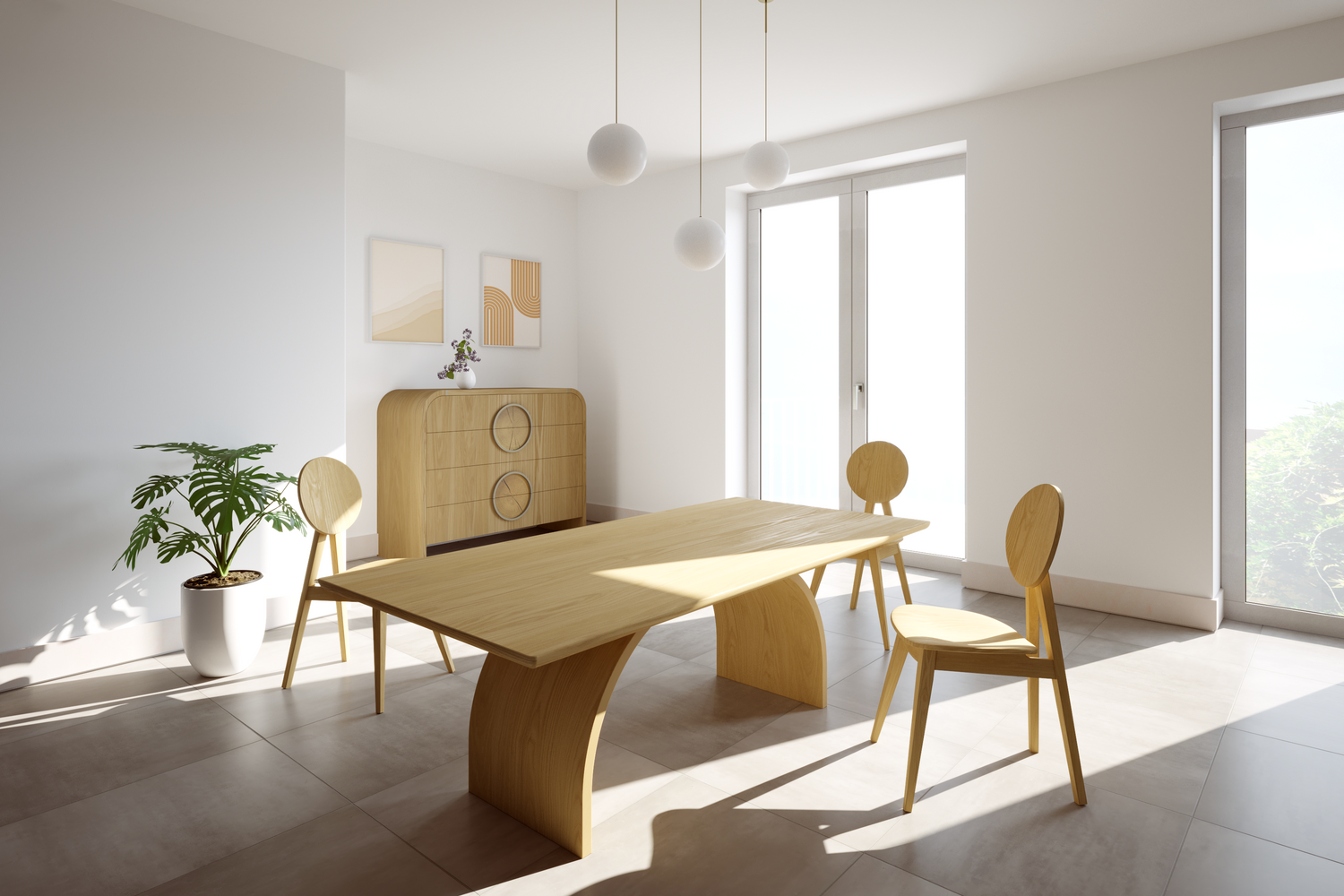
In contemporary interior design, wooden furniture is almost ubiquitous. This is due to its universally appreciated qualities. Trends come and go, but wood remains a timeless investment, thanks to its enduring aesthetics, superior durability, and ability to "age" gracefully and elegantly.
In living spaces, contemporary wooden furniture offers an aesthetic and functional balance that contributes to a welcoming, simple, and tasteful decor. Beyond the unique grain and warm texture for which wood is so beloved, a noteworthy argument is its neutral aesthetic, especially when treated with natural finishes that do not "disturb" the material's natural pattern. Wood is a natural element, making it familiar to the human eye and providing a sense of calm, comfort, and security.
Contemporary wooden furniture, with its clean lines, fills a room with a discreet elegance, without cluttering or overwhelming. By choosing wooden furniture with simple lines and devoid of ornamentation, which conveys emotion through form and material authenticity, you leave ample visual space to complement it with art objects, decorations, textiles, plants, and sentimental items that make a house a "home."
In this article, we aim to explore six popular interior design styles in 2025 that leverage the use of wood and which experts say will become increasingly relevant in the coming years. Let's discover together how Contemporary, Minimalist, Modern Farmhouse, Mid-Century Modern, Japandi, and Wabi Sabi styles integrate wooden furniture in an authentic and refined manner!

1. Contemporary Style
Contemporary style is in continuous evolution, constantly adapting to current trends. Characterized by simple lines, clear geometry, enhanced natural light, and a neutral color palette, this style embraces wooden furniture for a pleasant contrast between modernity and nature, between urban lifestyle and natural tranquility. Typically, in contemporary design spaces, we find solid wood pieces with clean surfaces and matte finishes, chromatically tempered, which highlight the authentic grain of the material.
In 2025, contemporary style relies on modular, multifunctional, and customizable furniture, emphasizing versatility, ergonomics, and the need for superior comfort. Oak, beech, ash, or walnut wood, with warm and natural tones, is often combined with black metallic elements or stone inserts for a sophisticated effect.
Customizing furniture is becoming an increasingly sought-after practice among beauty enthusiasts who wish to leave their personal mark on the objects that surround them at home. Solid wood furniture pieces serve both practical and decorative roles, and moreover, represent a long-term, perhaps even lifelong, investment. In this context, the possibility of customizing key furniture pieces – the dining table and chairs, the TV stand, the living room sofa – becomes a natural necessity. It's no wonder that in contemporary style, we often find furniture and objects made to order, according to the unique specifications of the owners.
If you desire a bright and sophisticated yet practical, functional, and welcoming ambiance, suitable for modern urban life, contemporary style might be exactly what you're looking for.

2. Minimalist Style
Minimalism remains a benchmark style in interior design, especially in 2025, when the focus is on reducing decorative elements and on the utility of each object. More and more of us are discovering the benefits of a more conscious way of life, incompatible with the habit of cluttering living spaces with objects without precise functionality or special aesthetic value. Driven by the desire to counterbalance the chaos of the external world, we seek a decor in our homes that exudes order, clarity, calm, and balance. Minimalist style can be a good answer to these quests.
It's important to note that in the current context, minimalism no longer means cold, white spaces devoid of color and personality. Today, minimalism has gained new valences, adapting to our need to live in warm, authentic spaces that reflect our passions and personality. Thus, minimalist style remains faithful to simple lines and free surfaces, without accessories or embellishments, but has evolved towards a warm minimalism. The latter is defined by a neutral color palette, in shades of beige, cream, and off-white, quality materials, subtle layering with overlapping textures, and objects with personality that tell a story.
Firstly, furniture with minimalist design has firm lines and well-defined shapes, without unnecessary ornaments, with hidden handles and hardware. Secondly, it is often made from light-toned woods such as ash or oak. The natural color of the wood contributes to creating an airy and organized atmosphere, so make sure to choose neutral finishes that highlight the specific coloration of these noble woods and do not cover it.
Last but not least, minimalist furniture offers added functionality, which translates into generous storage spaces, smart features, modularity, and multiple uses.
3. Modern Farmhouse
Originating in North America, Modern Farmhouse style has seen increased popularity in recent years due to its blend of rustic charm with contemporary elegance. Inspired by farm life, this style highlights a spacious, relaxed, and welcoming layout, based on natural materials such as reclaimed wood, natural and river stone, brick, ceramics, and organic fiber textiles.

Characteristic of this design style are generous windows and open floor plans, where the main areas of the house communicate with each other – typically the living room, dining room, and kitchen. In 2025, however, a visual demarcation of smaller zones within the open plan – by creating private conversation areas, reading or study nooks – is becoming essential for added intimacy and comfort.
Regarding wood elements, Modern Farmhouse prefers woods with character such as oak, cedar, and pine. You can also include small pieces of furniture or decorative objects made from water-reclaimed wood in your design, which add a unique touch of authenticity with their irregular shapes and rough surfaces, strongly sculpted by water and wind.
Wood flooring, ceilings with decorative beams, and solid wood furniture with a patinated or rustic finish represent the common thread in most farmhouse-style designs. The preferred colors in this style are neutral, with accents of white, gray, and earthy tones, and the furniture design is often robust yet refined.
This year, the specific color palette of Modern Farmhouse has evolved towards a broader range, adding warmth and depth to the design, and may include shades of camel, brick, and taupe, intense shades like dark blue and pine green, as well as pastel shades such as lavender, rosy pink, or sage green.
Currently, Modern Farmhouse remains true to its farm-inspired aesthetic and vintage charm, but it is gradually evolving towards a cleaner, more chromatically diverse contemporary look that subtly integrates the modern technologies and features necessary for smart homes.
Wood remains at the center of any Modern Farmhouse design, both in flooring, ceilings, and walls, and in furniture, where artisan details and hand-crafted textures continue to be sought after.

4. Mid-Century Modern
Appearing in the 1940s-1960s in the United States, Mid-Century Modern describes a retro decor with contemporary touches, blending the past with the present. It emphasizes symmetry, straight lines, geometric silhouettes, and enhanced functionality, being a vibrant style where wood is an omnipresent material, alongside vivid colors and diverse patterns.
Defining this style is solid wood furniture with natural, semi-matte or slightly glossy finishes, in darker shades of walnut, elm, or teak. The rich textures of the wood are often complemented by upholstery in vibrant colors, such as mustard yellow, orange, or olive green. To add more contrast and depth to a Mid-Century design, don't forget to include large abstract artworks, as well as throws and decorative pillows with geometric prints.
To achieve an ambiance that evokes the mid-20th-century look, choose elegant and compact furniture pieces, raised on tall, slender, straight or angled legs, which offer an airy and uncluttered appearance. Don't forget that you can also incorporate wood into your space by cladding certain walls with paneling or decorative wood panels—a widespread characteristic in Mid-Century Modern interiors.
Unlike other contemporary styles that exclusively promote natural materials and fabrics, Mid-Century Modern also welcomes processed materials such as metal, acrylic, or velvet. Quite frequently, in these arrangements, you will find chairs and armchairs with metal frames and leather upholstery or metal coffee tables, but wooden furniture is irreplaceable.
In 2025, Mid-Century Modern retains the retro aesthetic for which it is so appreciated, but gains eclectic notes by embracing new materials such as stone or brushed metal, a more tempered chromatic palette, and, of course, high-tech features that make everyone's life easier and more connected.
If you desire a retro vibe in your home and are passionate about combining different materials, patterns, and colors, and modern pieces with vintage ones in a unified design, without compromising on comfort and contemporary aesthetics, Mid-Century Modern can be a rich source of inspiration.

5. Japandi
Another design style that brings wood to the forefront is Japandi – a bridge between Japanese and Scandinavian design. This simple, natural, and refined style brings together aesthetic minimalism with practical functionality and smart living with sustainability. Born from the desire to create zen spaces that offer comfort and balance, the popular Japandi embraces smart technologies and environmentally friendly materials, describing spaces designed with intention and care for the environment.
Japandi-style homes, therefore, prioritize both a stylistic harmony between the two styles – Japanese and Nordic – and an environment in harmony with nature, through features that ensure energy efficiency, eco-friendly materials, objects manufactured through sustainable processes, and open plans between the interior and exterior spaces – terraces, gardens.
This involves the use of generous windows and sliding exterior doors, which allow for maximum natural light and offer panoramic views of the city/nature. Of course, you can also consider incorporating shoji-style screens or doors to get even closer to the simplicity and natural refinement of Japanese interiors.
The color palette in Japandi style focuses on neutral tones, such as beige, white, or light gray, while accessories are few and discreet. Natural plants, placed in generous ceramic vases and pots, are also indispensable in a design at the confluence of two worlds.
Regarding materials and textures, Japandi values natural materials such as reclaimed wood from waters, bamboo, hardwoods like oak or beech, cork, rattan, and other organic fabrics.
If you resonate with this style, choose wooden furniture with natural finishes, minimalist design, and low height, custom-made or produced in small series, through a manufacturing process with the lowest possible environmental impact. Also, it's important that the furniture is treated with finishes friendly to our health, with a low content of VOCs (volatile organic compounds) – irritants that can cause allergic reactions, headaches, fatigue, or respiratory problems.
Japandi promotes sustainability, the long-term use of objects, and a conscious approach to consumption habits. According to this philosophy, living spaces are more balanced and meaningful when they also include objects with a story, which have been given a second chance. Therefore, for your Japandi design, consider "treasures" found at vintage markets or recycled small furniture and decorations. These will bring a special charm to your space and give you the satisfaction of having contributed to waste reduction.

6. Wabi Sabi
Originating from Japan, the Wabi Sabi style celebrates imperfection and natural beauty, as little processed as possible. Wabi Sabi aesthetics change the way we relate to the space we live in and emphasize the need for individuality in the space we call "home."
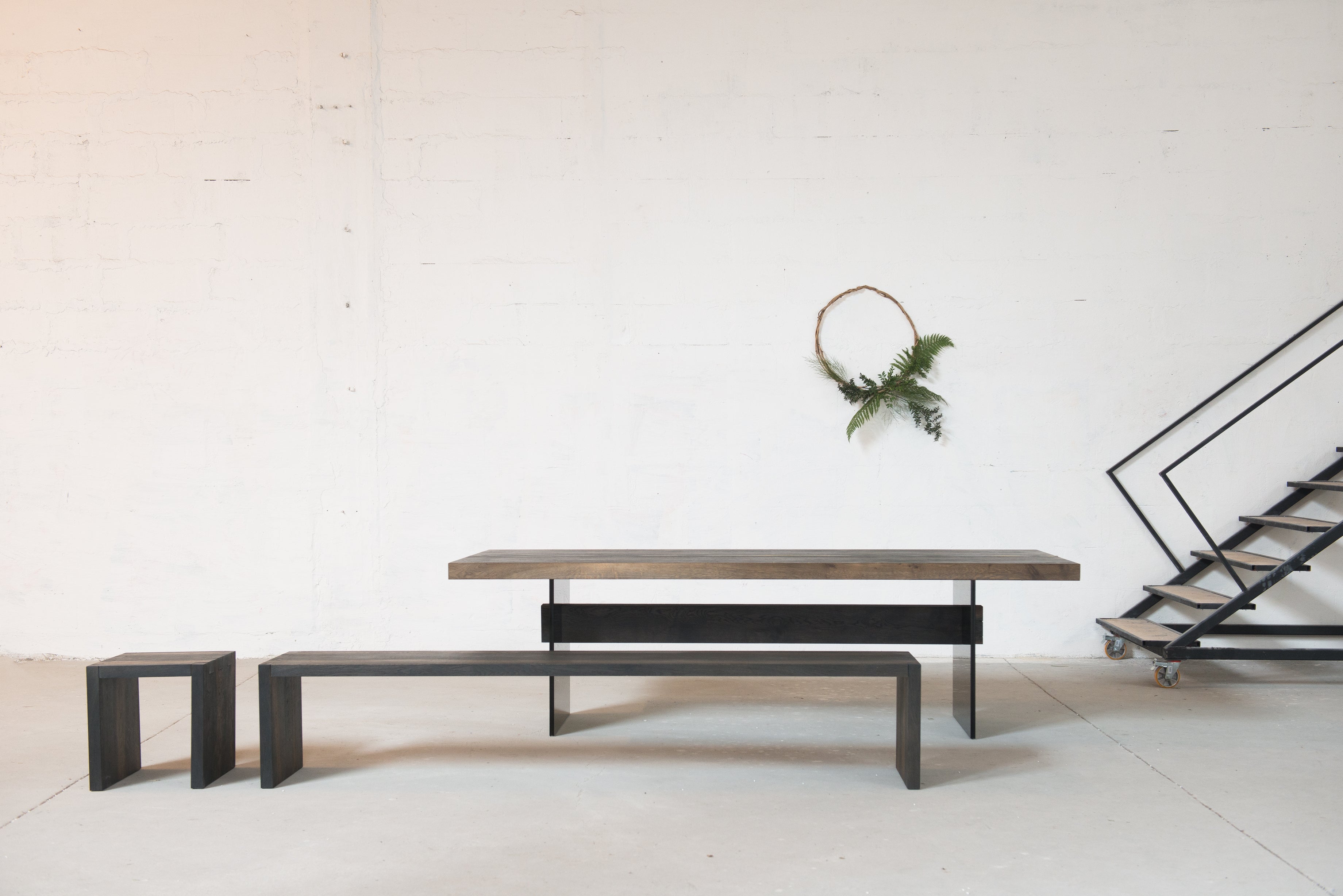
The style originating from Japan promotes a close connection with nature and a clear preference for simplicity and normalcy. Aiming to help us live more consciously and grounded in the present moment, Wabi Sabi embraces materials that age before our eyes, objects with fascinating details that reflect ephemerality and the natural cycle of life. An oak wood table with natural cracks, a hand-woven wool throw, or a slightly chipped vase found at an antique market bring a special charm and contribute to a different narrative of your home.
The Wabi-Sabi approach advocates for a simplification of spaces, avoiding an excess of decorative elements and shifting the focus to functionality, authenticity, and sensory experiences. Each of us is unique through our experiences, habits, and life story, so why shouldn't our homes be the same? The philosophy behind Wabi Sabi relies on our need to surround ourselves with objects that bear witness to our own stories and reflect our personality to a much greater extent than mass-market, mass-produced products.

If you wish to recreate the Wabi Sabi style in your home, say "yes" to materials with character, handmade furniture pieces and accessories, and objects that visibly bear the mark of time. Look for artisan objects or those built from raw, minimally processed materials, with irregular contours and amorphous silhouettes. All of these create a special aura in your home and bring you closer to who you are internally.
You can choose wooden furniture with porous textures, roughness, color variations, visible knots, naturally occurring cracks, and irregular shapes. Combine main furniture pieces with accessories and a few decorations made of stone, ceramic, bamboo, hemp, and other materials that come from nature.
To maintain the warmth and intimacy characteristic of Wabi Sabi, ensure you provide layered lighting, with multiple sources of warm light, focusing on ambient lighting. Last but not least, add color to your space through oversized green plants, through earthy tones, and accents of green or terracotta – these will help you create a balanced and soothing environment, inspired by nature, where relaxation comes naturally.

In 2025, living spaces will become, more than anything, interiors with personality, populated by personalized objects of sustainable origin, ethically and responsibly manufactured. Beyond enjoying comfort, a trendy aesthetic, and modern technologies discreetly integrated into homes, the desire for authenticity and a strong connection with nature is increasingly evident in this sphere of our lives.
Regardless of the chosen design style, wooden furniture remains a symbol of refinement and durability, now and in the future. Although different, the six styles presented in this article value elegance, simplicity, naturalness, and comfort, and wood is the material that successfully embodies all these needs of the contemporary lifestyle.


Leave a comment
All comments are moderated before being published.
This site is protected by hCaptcha and the hCaptcha Privacy Policy and Terms of Service apply.